Giacinta Moretti
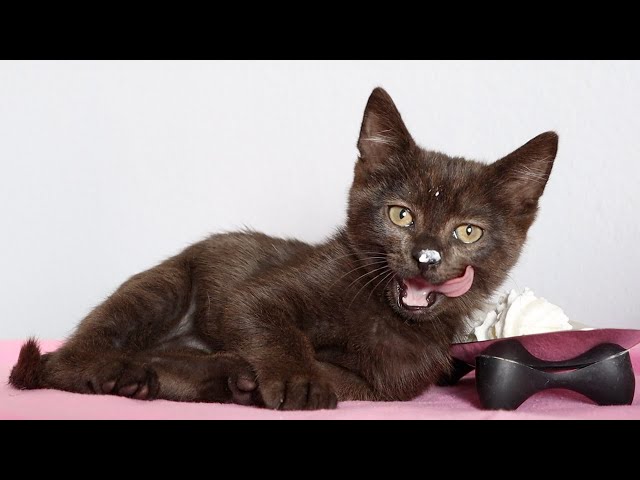
Can Cats Have Whipped Cream? The answer to this question is a little complicated. On the one hand, whipped cream is not toxic to cats, and it can even be a tasty treat. On the other hand, whipped cream is high in fat and sugar, which can be harmful to cats if they eat too much of it. So, while it is okay to give your cat a small amount of whipped cream as a treat, it is important to not overdo it.
There are a few things to keep in mind if you are considering giving your cat whipped cream. First, whipped cream is high in calories, so it is important to only give your cat a small amount. Second, whipped cream is high in fat, which can cause pancreatitis in cats if they eat too much of it. Third, whipped cream is high in sugar, which can lead to weight gain and diabetes in cats. Finally, whipped cream can contain artificial sweeteners, which can be toxic to cats.
If you are looking for a healthy treat to give your cat, there are many other options available. Some good choices include:
- Cooked chicken
- Cooked fish
- Catnip
- Laser pointers
- Belly rubs
Can Cats Have Whipped Cream?
The answer to this question is a little complicated. On the one hand, whipped cream is not toxic to cats, and it can even be a tasty treat. On the other hand, whipped cream is high in fat and sugar, which can be harmful to cats if they eat too much of it. So, while it is okay to give your cat a small amount of whipped cream as a treat, it is important to not overdo it.
- Toxicity: Whipped cream is not toxic to cats, but it can cause digestive upset if they eat too much of it.
- Fat content: Whipped cream is high in fat, which can lead to pancreatitis in cats if they eat too much of it.
- Sugar content: Whipped cream is high in sugar, which can lead to weight gain and diabetes in cats.
- Artificial sweeteners: Some whipped cream contains artificial sweeteners, which can be toxic to cats.
- Lactose intolerance: Some cats are lactose intolerant, which means they cannot digest the lactose in whipped cream. This can lead to digestive upset.
- Obesity: Whipped cream is high in calories, so it can contribute to weight gain in cats if they eat too much of it.
If you are considering giving your cat whipped cream, it is important to keep these factors in mind. If you do give your cat whipped cream, be sure to only give them a small amount and monitor them for any signs of digestive upset.
Toxicity
When it comes to the question of “can cats have whipped cream,” toxicity is a primary concern. While whipped cream is not inherently poisonous to cats, excessive consumption can lead to digestive issues. This is primarily due to the high fat content in whipped cream, which can trigger pancreatitis in cats. Additionally, some cats may be lactose intolerant, meaning they lack the enzyme needed to break down the lactose in whipped cream, leading to further digestive distress.
- Digestive Upset: The most common adverse effect of whipped cream consumption in cats is digestive upset. Symptoms can include vomiting, diarrhea, and abdominal pain. In severe cases, pancreatitis can develop, which is a serious inflammation of the pancreas.
- Lactose Intolerance: Some cats are lactose intolerant, meaning they cannot digest the lactose in whipped cream. This can lead to digestive upset, including vomiting, diarrhea, and gas.
- Pancreatitis: Pancreatitis is a serious inflammation of the pancreas that can be caused by eating too much whipped cream. Symptoms of pancreatitis include vomiting, diarrhea, abdominal pain, and lethargy.
Therefore, while whipped cream is not toxic to cats, it is important to limit their intake to avoid potential digestive issues. If you do give your cat whipped cream, be sure to do so in moderation and monitor them for any signs of digestive upset.
Fat content
The high fat content in whipped cream poses a significant risk to cats. Pancreatitis, a serious inflammation of the pancreas, can develop when cats consume excessive amounts of fat. This condition can lead to severe vomiting, diarrhea, abdominal pain, and lethargy. In severe cases, pancreatitis can be fatal.
- Role of fat in cat nutrition: Cats require fat in their diet for energy and to absorb essential vitamins. However, too much fat can be harmful.
- Symptoms of pancreatitis in cats: If your cat exhibits persistent vomiting, diarrhea, abdominal pain, or lethargy, pancreatitis may be the cause.
- Treatment for pancreatitis in cats: Treatment for pancreatitis typically involves supportive care, such as IV fluids, pain medication, and anti-nausea medication. In severe cases, surgery may be necessary.
- Prevention of pancreatitis in cats: The best way to prevent pancreatitis in cats is to avoid giving them high-fat foods, such as whipped cream.
In conclusion, the high fat content in whipped cream poses a serious health risk to cats. Pancreatitis, a potentially fatal condition, can develop when cats consume excessive amounts of fat. Therefore, it is important to avoid giving cats whipped cream or other high-fat foods.
Sugar content
The high sugar content in whipped cream poses another significant health risk to cats. Excessive sugar intake can lead to weight gain and diabetes, both of which can have serious consequences for a cat’s health.
Weight gain: Obesity is a common problem in cats, and it can lead to a number of health problems, including heart disease, diabetes, and arthritis. Whipped cream is high in calories, and it can contribute to weight gain if cats eat too much of it.
Diabetes: Diabetes is a serious disease that can affect cats of all ages. It occurs when the body is unable to properly regulate blood sugar levels. Whipped cream is high in sugar, and it can contribute to diabetes if cats eat too much of it.
It is important to note that even small amounts of whipped cream can be harmful to cats. This is because cats are obligate carnivores, and their digestive systems are not well-suited to digesting large amounts of sugar.
If you are considering giving your cat whipped cream, it is important to do so in moderation. You should also monitor your cat for any signs of weight gain or diabetes. If you notice any changes in your cat’s health, be sure to consult with your veterinarian.
Artificial sweeteners
Artificial sweeteners are sugar substitutes that are often used in diet foods and beverages. They are much sweeter than sugar, but they contain fewer calories. However, some artificial sweeteners can be toxic to cats.
- Xylitol: Xylitol is an artificial sweetener that is commonly used in sugar-free gum, candy, and baked goods. It is toxic to cats, and even small amounts can cause hypoglycemia, liver failure, and seizures.
- Erythritol: Erythritol is another artificial sweetener that is commonly used in sugar-free foods. It is less toxic to cats than xylitol, but it can still cause digestive upset if cats eat too much of it.
- Aspartame: Aspartame is an artificial sweetener that is commonly used in diet sodas and other beverages. It is generally considered to be safe for cats, but some cats may experience allergic reactions.
- Sucralose: Sucralose is an artificial sweetener that is commonly used in baked goods and other foods. It is generally considered to be safe for cats, but it can cause digestive upset if cats eat too much of it.
If you are considering giving your cat whipped cream, be sure to check the ingredients list for artificial sweeteners. If the whipped cream contains xylitol, do not give it to your cat. If the whipped cream contains other artificial sweeteners, give it to your cat in moderation and monitor them for any signs of digestive upset.
Lactose intolerance
Lactose intolerance is a common condition in cats, and it can make it difficult for them to digest whipped cream. Lactose is a sugar that is found in milk and other dairy products. When a cat eats whipped cream, the lactose is broken down into glucose and galactose. Glucose is a simple sugar that can be used for energy, but galactose must be converted to glucose before it can be used. In lactose-intolerant cats, this conversion process does not work properly, which can lead to digestive upset.
- Symptoms of lactose intolerance in cats: Lactose intolerance can cause a variety of symptoms in cats, including vomiting, diarrhea, gas, and abdominal pain. These symptoms can be mild or severe, and they can occur within a few hours of eating whipped cream.
- Diagnosis of lactose intolerance in cats: Lactose intolerance can be diagnosed by a veterinarian through a physical exam and a review of your cat’s symptoms. Your veterinarian may also recommend a blood test or a stool test to confirm the diagnosis.
- Treatment of lactose intolerance in cats: There is no cure for lactose intolerance, but it can be managed by avoiding foods that contain lactose. If your cat is lactose intolerant, you should avoid giving them whipped cream and other dairy products.
If you are unsure whether your cat is lactose intolerant, it is best to err on the side of caution and avoid giving them whipped cream. If you do give your cat whipped cream and they experience any digestive upset, be sure to consult with your veterinarian.
Obesity
Obesity is a serious problem in cats, and it can lead to a number of health problems, including heart disease, diabetes, and arthritis. Whipped cream is high in calories, and it can contribute to weight gain if cats eat too much of it. Even small amounts of whipped cream can be harmful to cats, as they are obligate carnivores and their digestive systems are not well-suited to digesting large amounts of sugar and fat.
If you are considering giving your cat whipped cream, it is important to do so in moderation. You should also monitor your cat for any signs of weight gain. If you notice any changes in your cat’s weight or health, be sure to consult with your veterinarian.
In conclusion, it is important to be aware of the connection between whipped cream and obesity in cats. By understanding this connection, you can make informed decisions about whether or not to give your cat whipped cream, and you can help to keep your cat healthy and happy.
FAQs about Cats and Whipped Cream
This section addresses frequently asked questions about whether cats can have whipped cream, providing concise and informative answers based on expert knowledge.
Question 1: Is whipped cream safe for cats?
Answer: While whipped cream is not toxic to cats, it is not recommended as it can cause digestive upset due to its high fat and sugar content. Excessive consumption may lead to pancreatitis, weight gain, and diabetes.
Question 2: What are the risks of feeding whipped cream to cats?
Answer: The primary risks include digestive upset, pancreatitis (inflammation of the pancreas), weight gain due to high calorie content, and diabetes resulting from high sugar content.
Question 3: Can whipped cream cause lactose intolerance in cats?
Answer: Yes, some cats are lactose intolerant, meaning they lack the enzyme to digest the lactose in whipped cream, leading to digestive issues such as vomiting, diarrhea, and gas.
Question 4: How much whipped cream can I give my cat?
Answer: It is generally not recommended to give whipped cream to cats. However, if you choose to offer it as an occasional treat, provide only a tiny amount and monitor your cat for any adverse reactions.
Question 5: What are some healthier alternatives to whipped cream for cats?
Answer: Instead of whipped cream, consider offering your cat cooked chicken, fish, catnip, and interactive toys as treats.
Question 6: What should I do if my cat eats whipped cream and has an adverse reaction?
Answer: If your cat experiences vomiting, diarrhea, or any other signs of digestive upset after consuming whipped cream, discontinue feeding it and consult with your veterinarian promptly.
Summary: While whipped cream is not inherently toxic to cats, its high fat, sugar, and lactose content can pose health risks. It is best to avoid giving whipped cream to cats or offer it only in very small amounts as an occasional treat.
Transition to the next article section: For further insights into cat nutrition and health concerns, explore the following sections of this article.
Tips Regarding “Can Cats Have Whipped Cream”
To ensure the well-being of your feline companion, consider the following tips when it comes to whipped cream:
Tip 1: Avoid Offering Whipped Cream: Due to its high fat and sugar content, whipped cream is not recommended for cats. Even small amounts can lead to digestive issues, weight gain, and other health concerns.
Tip 2: Monitor Lactose Intolerance: Some cats may be lactose intolerant, meaning they cannot digest the lactose in dairy products like whipped cream. If your cat experiences digestive upset after consuming whipped cream, it may be lactose intolerant.
Tip 3: Choose Healthier Alternatives: Instead of whipped cream, offer your cat healthier treats such as cooked chicken, fish, or catnip. These options provide essential nutrients and promote overall well-being.
Tip 4: Control Calorie Intake: If you occasionally offer whipped cream as a treat, ensure it is in moderation. Excessive calorie intake can lead to weight gain and obesity, which can have adverse effects on your cat’s health.
Tip 5: Observe Your Cat’s Reaction: If you decide to give your cat whipped cream, monitor them closely for any signs of digestive upset or other adverse reactions. If you notice any discomfort, discontinue feeding whipped cream and consult your veterinarian.
Summary: While whipped cream may seem like a harmless treat, it is important to prioritize your cat’s health by avoiding or limiting its consumption. By following these tips, you can ensure your feline friend enjoys a balanced and nutritious diet that supports their overall well-being.
Transition to the article’s conclusion: For further insights into cat nutrition and health concerns, explore the following sections of this article.
Conclusion
This article has comprehensively explored the question of “can cats have whipped cream,” examining the potential risks and benefits associated with its consumption. While whipped cream is not inherently toxic to cats, its high fat, sugar, and lactose content can pose significant health concerns when ingested in excessive amounts.
To ensure the well-being of feline companions, it is highly recommended to avoid offering whipped cream as a regular treat. Instead, pet owners should focus on providing a balanced and nutritious diet that meets the specific nutritional needs of cats. By understanding the potential consequences of whipped cream consumption, cat owners can make informed decisions that prioritize their pet’s health and longevity.
Youtube Video: