Giacinta Moretti
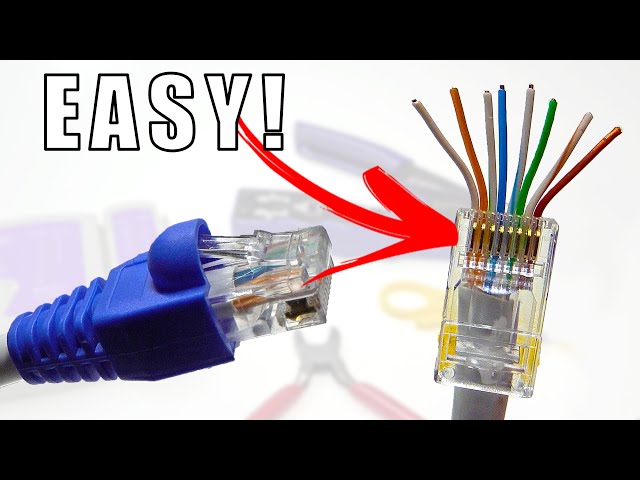
Cat 6 wiring diagram is a visual representation of how to connect Cat 6 cables to networking devices. It provides a step-by-step guide on how to properly install and terminate Cat 6 cables, ensuring a reliable and high-performance network connection. Understanding and following the Cat 6 wiring diagram is crucial for both home and business network installations.
Cat 6 cables are designed to support Gigabit Ethernet speeds and are commonly used in high-speed data networks. They offer faster data transfer rates, reduced signal loss, and improved noise immunity compared to previous cable categories. The Cat 6 wiring diagram typically includes color-coded diagrams, pinouts, and instructions on how to connect the cables to RJ-45 connectors and network devices.
The Cat 6 wiring diagram covers various aspects of cable installation, including cable preparation, termination, and testing. It guides users on how to strip the cable jacket, untwist the wire pairs, and insert the wires into the RJ-45 connector. The diagram also specifies the correct wiring sequence for both T568A and T568B standards, ensuring compatibility with different network devices.
Tips for Using Cat 6 Wiring Diagrams
Following the Cat 6 wiring diagram is essential, but there are additional tips to ensure a successful installation:
Use high-quality Cat 6 cables and connectors to maintain signal integrity and minimize data loss.
Tip 1: Use a cable tester to verify the continuity and performance of the installed cables.
Tip 2: Keep the cable runs as short as possible to avoid signal degradation.
Tip 3: Avoid sharp bends or kinks in the cables, as they can damage the conductors.
Tip 4: Properly secure the cables using cable ties or clips to prevent loose connections.
Tip 5: Label the cables for easy identification and troubleshooting.
Frequently Asked Questions about Cat 6 Wiring Diagrams
Here are some commonly asked questions related to Cat 6 wiring diagrams:
Q: What is the difference between T568A and T568B wiring standards?
A: T568A and T568B are two different wiring standards for connecting Cat 6 cables. T568A is the most common standard used in North America, while T568B is commonly used in Europe.
Q: How do I know which wiring standard to use?
A: The wiring standard to use depends on the network devices being connected. It is recommended to use the wiring standard specified by the device manufacturer.
Q: Can I use Cat 6 cables with older network devices?
A: Yes, Cat 6 cables are backward compatible with older network devices that support lower cable categories, such as Cat 5 or Cat 5e.
Q: What is the maximum length for a Cat 6 cable run?
A: The maximum recommended length for a Cat 6 cable run is 100 meters (328 feet).
Q: How do I troubleshoot a Cat 6 cable installation?
A: If you are experiencing network issues, use a cable tester to identify any faults or breaks in the Cat 6 cables.
By following the Cat 6 wiring diagram and considering the tips and frequently asked questions, you can ensure a reliable and high-performance network installation. Proper cable installation practices contribute to a stable and efficient data network, supporting various applications such as internet access, file sharing, and video streaming.
Cat 6 wiring diagrams serve as valuable guides for both professional installers and DIY enthusiasts, empowering them to establish robust network connections.
Youtube Video: