Giacinta Moretti
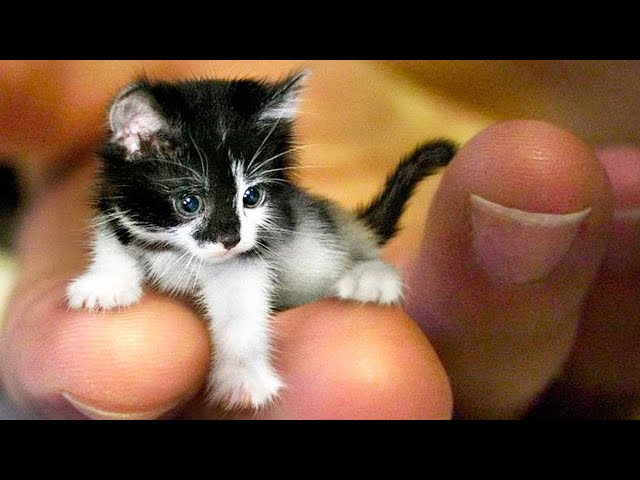
The smallest breed of cat, according to the Guinness World Records, is the Singapura, which typically weighs between 4 and 6 pounds and stands 4 to 7 inches tall at the shoulder.
This petite feline breed originated in Singapore, and its small size is thought to be the result of natural selection. The Singapura’s small size allowed it to survive in the urban environment of Singapore, where it could easily navigate spaces and hunt small prey.
The Singapura is a popular pet due to its small size and affectionate nature. They are known for being playful and curious, and they make excellent companions for people of all ages.
Smallest Breed of Cat
The smallest breed of cat, the Singapura, is a fascinating feline with unique characteristics and qualities. Let’s delve into six key aspects that define this diminutive breed:
- Size: Weighing a mere 4-6 pounds and standing 4-7 inches tall, the Singapura is the smallest recognized cat breed.
- Origin: Hailing from Singapore, this breed emerged naturally in the urban environment.
- Appearance: The Singapura boasts a sleek, ticked coat with a distinctive sepia-brown hue.
- Temperament: Known for its playful and affectionate nature, the Singapura makes an ideal companion.
- Health: Generally healthy, the Singapura has an average lifespan of 12-15 years.
- Rarity: As a rare breed, the Singapura is highly sought after by cat enthusiasts.
These key aspects provide a comprehensive understanding of the smallest breed of cat. The Singapura’s petite size, unique origins, striking appearance, and endearing personality make it a captivating feline companion. Its rarity adds to its allure, making it a cherished breed among cat lovers worldwide.
Size
The diminutive size of the Singapura is a defining characteristic that sets it apart from all other cat breeds. Its small stature is a result of natural selection, as the Singapura evolved in the urban environment of Singapore, where it needed to be able to navigate spaces and hunt small prey. The Singapura’s small size also makes it a popular choice for people living in apartments or other small spaces.
The Singapura’s size is not just a physical characteristic; it also has a significant impact on its personality and behavior. Singapura cats are known for being playful, curious, and affectionate. They are also very social and enjoy spending time with their human companions.
Understanding the connection between the Singapura’s size and its other characteristics is essential for providing proper care and companionship for this unique breed. By recognizing the importance of the Singapura’s size, cat owners can better meet its needs and ensure its well-being.
Origin
The Singapura’s origin in Singapore played a crucial role in shaping its status as the smallest breed of cat. This unique urban environment presented both challenges and opportunities that influenced the breed’s physical characteristics and temperament.
- Natural Selection: In the dense urban landscape of Singapore, smaller cats had a distinct advantage. They could easily navigate narrow spaces, hunt small prey, and avoid predators. Over time, natural selection favored the smaller cats, leading to the Singapura’s diminutive size.
- Limited Resources: The urban environment also imposed limitations on the Singapura’s growth and development. With limited access to food and resources, smaller cats were more likely to survive and reproduce, further contributing to the breed’s small stature.
- Adaptation to Human Environments: The Singapura’s urban origins also influenced its temperament. These cats adapted to living in close proximity with humans, becoming playful, curious, and affectionate. Their small size and social nature made them ideal companions for people living in apartments or other urban settings.
- Genetic Isolation: Singapore’s geographic isolation contributed to the Singapura’s unique genetic makeup. The limited gene pool within the urban environment led to the development of distinct physical and behavioral traits, including the breed’s small size.
In conclusion, the Singapura’s origin in Singapore’s urban environment played a pivotal role in its emergence as the smallest breed of cat. Natural selection, limited resources, adaptation to human environments, and genetic isolation all shaped the breed’s diminutive size and endearing personality.
Appearance
The Singapura’s distinctive appearance is not merely an aesthetic trait but is closely linked to its status as the smallest breed of cat. Its sleek, ticked coat and sepia-brown hue play essential roles in its survival and adaptability.
- Camouflage: The Singapura’s ticked coat, characterized by individual hairs with alternating bands of light and dark color, provides effective camouflage in urban environments. Its sepia-brown hue further enhances its ability to blend with the shadows and avoid predators.
- Heat Retention: The Singapura’s dense coat, despite its short length, provides insulation and helps retain body heat. This is particularly important for such a small cat, as they have a higher surface area-to-volume ratio and are more susceptible to heat loss.
- Agility: The Singapura’s sleek coat allows for greater freedom of movement and agility. It can easily navigate narrow spaces and jump high, which is advantageous in urban environments with limited space and numerous obstacles.
- Breed Recognition: The Singapura’s distinctive appearance sets it apart from other cat breeds and contributes to its recognition as the smallest breed. Its unique coat pattern and sepia-brown hue are defining characteristics that make it easily identifiable.
In conclusion, the Singapura’s appearance is not just visually appealing but also functionally significant. Its sleek, ticked coat and sepia-brown hue are essential adaptations that have contributed to its survival and adaptability as the smallest breed of cat.
Temperament
The Singapura’s temperament is inextricably linked to its status as the smallest breed of cat. Its diminutive size has shaped its personality and behavior, making it a highly desirable companion.
- Playfulness: The Singapura’s small size contributes to its playful nature. Its agility and energy levels make it an excellent playmate, engaging in games and activities that stimulate its mind and body.
- Affection: Despite its small size, the Singapura possesses a big heart. Its affectionate nature stems from its need for companionship and closeness. Singapura cats enjoy cuddling, being petted, and spending quality time with their human companions.
- Curiosity: The Singapura’s small size allows it to explore its surroundings with ease. Its curious nature leads it to investigate new places, objects, and people, making it an engaging and inquisitive companion.
- Adaptability: The Singapura’s small size and affectionate nature make it highly adaptable to various living situations. It can thrive in apartments, small homes, or larger spaces, as long as it has access to companionship and enrichment.
In conclusion, the Singapura’s temperament is a direct reflection of its status as the smallest breed of cat. Its playful, affectionate, curious, and adaptable nature makes it an ideal companion for people of all ages and lifestyles.
Health
The Singapura’s status as the smallest breed of cat has a direct impact on its overall health and lifespan. Its diminutive size and unique physiological characteristics contribute to both advantages and considerations in terms of health and well-being.
- Metabolism: The Singapura’s small size results in a faster metabolism compared to larger breeds. This means they require more frequent meals and have a higher energy expenditure, which can affect their dietary needs and overall health management.
- Dental Health: Dental issues are common among small breeds, including the Singapura. Their small mouths and crowded teeth can lead to tartar buildup and periodontal disease. Regular dental check-ups and preventive care are crucial for maintaining good oral health.
- Bone Structure: The Singapura’s delicate bone structure makes it more susceptible to injuries and fractures. Proper handling and care are essential to prevent accidental harm, especially during play or when jumping from heights.
- Lifespan: Despite these considerations, the Singapura is generally a healthy breed with an average lifespan of 12-15 years. With proper care, nutrition, and regular veterinary check-ups, Singapura cats can enjoy a long and fulfilling life.
Understanding the health implications associated with the Singapura’s small size is essential for responsible pet ownership. By providing tailored care and attention to their specific needs, Singapura owners can help their feline companions live long, healthy, and happy lives.
Rarity
The rarity of the Singapura is directly connected to its status as the smallest breed of cat. Its diminutive size and unique characteristics have contributed to its popularity and desirability among cat enthusiasts.
- Exclusivity and Prestige: The Singapura’s rarity makes it an exclusive and prestigious breed. Cat enthusiasts and collectors are often drawn to rare breeds that stand out from more common ones, adding to the Singapura’s allure.
- Distinctive Appearance: The Singapura’s small size and distinctive appearance, including its sleek ticked coat and sepia-brown hue, set it apart from other breeds. This unique aesthetic appeal contributes to its popularity and desirability as a rare and exotic cat.
- Challenge and Fulfillment: Breeding and owning a rare breed like the Singapura can be challenging but also highly fulfilling. Cat enthusiasts enjoy the challenge of preserving and perpetuating a rare breed, contributing to its legacy and ensuring its survival.
- Emotional Connection: The Singapura’s playful, affectionate, and curious nature creates a strong emotional bond with its owners. This deep connection enhances the desirability and value of the breed, making it highly sought after by cat enthusiasts.
In conclusion, the rarity of the Singapura, intertwined with its status as the smallest breed of cat, contributes to its popularity and desirability among cat enthusiasts. Its exclusivity, distinctive appearance, breeding challenges, and emotional appeal make the Singapura a highly sought-after and cherished breed.
FAQs on the Smallest Breed of Cat
This section addresses common queries and misconceptions surrounding the smallest breed of cat, providing informative answers to enhance understanding and dispel any uncertainties.
Question 1: What is the smallest recognized breed of cat?
Answer: The Singapura, originating from Singapore, holds the distinction of being the smallest recognized cat breed, typically weighing between 4 and 6 pounds and standing 4 to 7 inches tall at the shoulder.
Question 2: How does the small size of the Singapura impact its temperament?
Answer: The Singapura’s diminutive size contributes to its playful, affectionate, and curious nature. They are known for their high energy levels and enjoy engaging in games and activities that stimulate their minds and bodies.
Question 3: Are there any health considerations associated with the Singapura’s small size?
Answer: While generally healthy, the Singapura’s small size can predispose it to certain health concerns, such as dental issues and a faster metabolism. Regular veterinary check-ups and proper care are essential to maintain their well-being.
Question 4: Is the Singapura a rare breed?
Answer: Yes, the Singapura is considered a rare breed due to its limited population and specific breeding requirements. This rarity contributes to its exclusivity and desirability among cat enthusiasts.
Question 5: What is the average lifespan of a Singapura?
Answer: With proper care and nutrition, the Singapura can have an average lifespan of 12 to 15 years, similar to other cat breeds.
Question 6: Why is the Singapura so popular among cat lovers?
Answer: The Singapura’s unique combination of small size, playful temperament, and distinctive appearance makes it a highly sought-after breed. Its rarity and exclusivity further enhance its appeal, making it a cherished companion for cat enthusiasts.
Summary: Understanding the unique characteristics and considerations associated with the smallest breed of cat, the Singapura, is crucial for responsible ownership and appreciation of this fascinating feline.
Tips for Caring for the Smallest Breed of Cat
Caring for the smallest breed of cat, the Singapura, requires specific attention to their unique needs and characteristics. Here are several essential tips to ensure their health, well-being, and happiness:
Tip 1: Provide a Balanced Diet
Singapuras have a higher metabolism due to their small size, so they require more frequent meals. Offer a high-quality diet formulated for small breeds, and ensure they have constant access to fresh water.
Tip 2: Maintain Dental Health
Dental issues are common in small breeds, so regular dental check-ups and cleanings are crucial. Brush your Singapura’s teeth regularly and provide dental treats to promote oral health.
Tip 3: Ensure Safety and Exercise
Singapuras are playful and energetic, but their small size makes them more susceptible to injuries. Supervise playtime, provide safe toys, and consider a cat harness for outdoor adventures.
Tip 4: Monitor Weight
Obesity can be a concern for small breeds. Regularly monitor your Singapura’s weight and adjust their diet and activity levels as needed to maintain a healthy weight.
Tip 5: Provide Enrichment
Singapuras are curious and intelligent, so provide plenty of mental and physical stimulation. Offer interactive toys, puzzle feeders, and scratching posts to keep them engaged and entertained.
Tip 6: Establish a Regular Veterinary Care Routine
Regular veterinary check-ups are essential for all cats, especially small breeds like the Singapura. Establish a routine schedule for vaccinations, parasite prevention, and overall health assessments.
Summary: Following these tips will contribute to the health, longevity, and overall well-being of your smallest breed of cat, the Singapura. Provide them with a loving and supportive environment, and enjoy the companionship of this unique and charming feline.
Conclusion
Our exploration into the world of the smallest breed of cat, the Singapura, has unveiled a captivating tapestry of unique characteristics, considerations, and caregiving practices. Their diminutive size, distinctive appearance, playful temperament, and health considerations set them apart as a breed that requires specialized attention and admiration.
Understanding and meeting the specific needs of the smallest breed of cat is not only a responsibility but a testament to our appreciation for the diversity and beauty of the feline world. By providing informed care, celebrating their exclusivity, and advocating for their well-being, we contribute to the preservation and enjoyment of these captivating creatures.
Youtube Video: