Giacinta Moretti
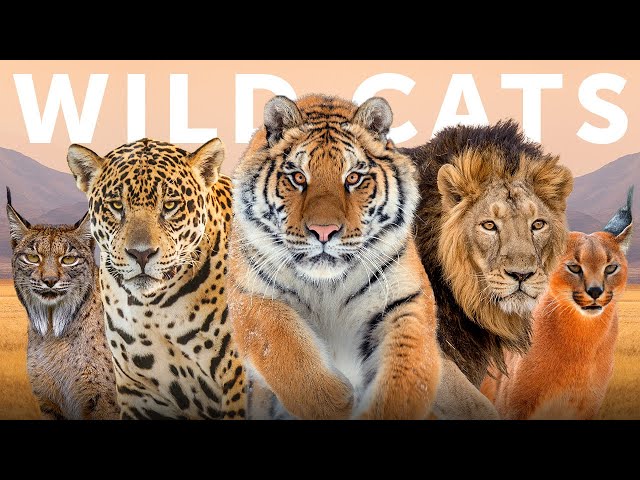
Wild cat animal names refer to the diverse range of appellations given to various feline species found in the wild. These names often reflect the physical characteristics, behavior, habitat, or cultural significance of the animals they represent. Examples include the majestic lion (Panthera leo), the elusive leopard (Panthera pardus), the powerful tiger (Panthera tigris), and the diminutive ocelot (Leopardus pardalis).
Assigning names to wild cats is not merely a matter of convenience but also serves several important purposes. Firstly, it facilitates communication and identification among researchers, conservationists, and wildlife enthusiasts. Each species possesses unique traits and ecological roles, and their distinct names help differentiate them for effective study and management. Moreover, these names carry cultural and historical significance, reflecting the relationship between humans and wild cats throughout history. Local communities often bestow names based on their observations of the animals’ behavior or appearance, providing valuable insights into their cultural perceptions and interactions with the natural world.
Exploring the diverse world of wild cat animal names leads us to delve into fascinating topics such as feline taxonomy, conservation efforts, and the intricate relationship between humans and wildlife. Join us as we embark on a journey to discover the captivating stories behind these names and the incredible species they represent.
Wild Cat Animal Names
Wild cat animal names encompass a rich tapestry of monikers, each carrying cultural, scientific, and ecological significance. Delving into the diverse aspects of these names unveils the intricate relationship between humans and the feline world.
- Taxonomy: Names classify wild cats into species, genera, and families, reflecting evolutionary relationships.
- Behavior: Names often describe characteristic behaviors, such as the “roaring” lion or the “stalking” tiger.
- Habitat: Names can indicate a species’ preferred environment, like the “snow leopard” or the “jungle cat.”
- Physical Appearance: Names may highlight distinctive physical features, such as the “striped” tiger or the “spotted” leopard.
- Cultural Significance: Names reflect cultural perceptions and interactions, such as the “sacred” lion in ancient Egypt.
- Conservation Status: Names can raise awareness about threatened species, like the “endangered” Amur leopard.
- Historical Context: Names provide a glimpse into historical relationships between humans and wild cats, like the “domestic” cat.
These aspects intertwine to create a comprehensive understanding of wild cat animal names. For instance, the “clouded leopard” derives its name from its distinctive clouded markings, while the “fishing cat” reflects its unusual behavior of catching fish. Moreover, the “jaguar” holds cultural significance in Mesoamerican civilizations, and the “Siberian tiger” highlights its habitat in the vast Siberian taiga. Exploring these aspects enhances our appreciation for the diversity and significance of wild cat animal names.
Taxonomy
Taxonomy, the science of classification, plays a crucial role in understanding the diversity and evolutionary relationships among wild cats. It provides a systematic framework for organizing and naming species based on their shared characteristics and genetic relatedness. By classifying wild cats into species, genera, and families, taxonomists create a hierarchical structure that reflects their evolutionary history.
This taxonomic classification is essential for effective communication and research. It allows scientists to accurately identify and describe different wild cat species, facilitating the exchange of information and collaboration among researchers worldwide. Moreover, it provides a foundation for studying the evolution, behavior, ecology, and conservation status of these animals.
For instance, the genus Panthera includes some of the most iconic wild cats, such as lions, tigers, leopards, and jaguars. These species share a common ancestor and exhibit similar physical and behavioral traits. By recognizing their taxonomic relatedness, scientists can make inferences about their evolutionary history, ecological roles, and conservation needs.
Understanding the connection between taxonomy and wild cat animal names is crucial for several reasons. First, it enhances our comprehension of the diversity and complexity of the feline family. Second, it enables researchers to accurately identify and study specific species, contributing to our knowledge of their biology and ecology. Third, it highlights the importance of conservation efforts, as threatened species can be more effectively identified and prioritized for protection.
Behavior
The connection between behavior and wild cat animal names is deeply rooted in the natural history and interactions between humans and these fascinating creatures. By observing and describing the characteristic behaviors of wild cats, humans have assigned names that aptly capture their unique movements, vocalizations, and hunting strategies.
- Communication: Names like “roaring” lion and “chirping” serval highlight the distinctive vocalizations used by different species to communicate with each other. These names provide insights into their social behavior and territorial marking.
- Hunting: Names such as “stalking” tiger and “ambush” leopard describe the stealthy and precise hunting techniques employed by these predators. These names reflect their remarkable adaptations for capturing prey.
- Movement: The name “leaping” cheetah aptly captures the incredible speed and agility of this animal, while “climbing” leopard highlights the arboreal abilities of this skilled tree-dweller.
- Defense: Names like “bluffing” bobcat and “hissing” caracal describe defensive behaviors used by these cats to deter threats and protect themselves or their young.
Understanding the connection between behavior and wild cat animal names enhances our appreciation for the diversity and complexity of feline species. It provides a glimpse into their natural history, ecological roles, and adaptations. Moreover, it underscores the deep connection between humans and wildlife, as these names reflect centuries of observation and interaction with these magnificent animals.
Habitat
The connection between habitat and wild cat animal names is deeply rooted in the ecological adaptations and geographical distributions of these species. By observing where wild cats thrive, humans have assigned names that reflect their preferred environments, providing valuable insights into their ecological niches.
For instance, the “snow leopard” (Panthera uncia) derives its name from its adaptation to the harsh, mountainous regions of Central Asia. Its thick, white fur provides camouflage in snowy landscapes, enabling it to effectively hunt prey in its high-altitude habitat. Similarly, the “jungle cat” (Felis chaus) inhabits dense forests and wetlands throughout Asia. Its name aptly describes its preference for lush, vegetated areas where it can find ample cover and prey.
Understanding the connection between habitat and wild cat animal names is important for several reasons. First, it highlights the ecological diversity of wild cats, showcasing their remarkable adaptations to a wide range of environments. Second, it aids in conservation efforts by providing insights into the specific habitats that need to be protected to ensure the survival of these species. Third, it enriches our understanding of the complex relationships between wildlife and their surroundings.
In conclusion, the connection between habitat and wild cat animal names is a testament to the intricate relationship between species and their environments. By recognizing the ecological significance of these names, we gain a deeper appreciation for the diversity and beauty of the wild cat family.
Physical Appearance
The connection between physical appearance and wild cat animal names is rooted in the unique and striking visual characteristics that distinguish each species. By observing and describing these physical attributes, humans have assigned names that vividly capture the essence of these animals, providing valuable insights into their appearance and adaptations.
For instance, the “striped” tiger (Panthera tigris) is renowned for its bold, black stripes against a vibrant orange coat. These stripes serve as camouflage in tall grasses and forests, enabling the tiger to effectively hunt prey. Similarly, the “spotted” leopard (Panthera pardus) exhibits a stunning array of dark spots on its golden coat. These spots provide excellent camouflage amidst dappled sunlight and foliage.
Understanding the connection between physical appearance and wild cat animal names is important for several reasons. First, it showcases the remarkable diversity within the feline family, highlighting the distinct adaptations that have evolved in response to different environments. Second, it aids in identification, allowing researchers and wildlife enthusiasts to accurately distinguish between species based on their physical characteristics. Third, it enhances our appreciation for the beauty and complexity of the natural world.
In conclusion, the connection between physical appearance and wild cat animal names underscores the profound relationship between form and function in the animal kingdom. By recognizing the significance of physical appearance in these names, we gain a deeper understanding of the diversity, adaptations, and beauty of wild cats.
Cultural Significance
Cultural significance plays a profound role in shaping wild cat animal names, imbuing them with symbolic meanings and reflecting deep-rooted beliefs, values, and interactions between humans and these animals. Throughout history, wild cats have featured prominently in mythology, religion, art, and literature, influencing the names we use to refer to them.
For instance, in ancient Egypt, the lion was revered as a sacred animal, associated with power, strength, and divine protection. This cultural significance is reflected in the lion’s name, which translates to “mighty one” or “king of beasts.” Similarly, in many Asian cultures, the tiger is seen as a symbol of courage, majesty, and good fortune. Its name often carries connotations of strength and power, reflecting its cultural significance in these regions.
Understanding the cultural significance of wild cat animal names is important for several reasons. First, it provides insights into the beliefs and values of different cultures, showcasing the diverse ways in which humans have perceived and interacted with these animals. Second, it enriches our appreciation for the symbolic and cultural dimensions of wildlife, highlighting the deep connections between humans and the natural world. Third, it aids in conservation efforts by fostering a sense of respect and appreciation for wild cats, recognizing their cultural importance.
In conclusion, the connection between cultural significance and wild cat animal names underscores the profound influence of culture on our understanding and interactions with the natural world. By exploring the cultural significance of these names, we gain a deeper appreciation for the diversity of human beliefs, values, and the enduring relationship between humans and wildlife.
Conservation Status
The conservation status of wild cat species plays a crucial role in shaping their names, highlighting the urgent need for their protection and conservation. By incorporating terms such as “endangered” or “threatened” into their names, conservationists aim to raise awareness about the plight of these animals and mobilize efforts to protect them.
For instance, the “endangered” Amur leopard (Panthera pardus orientalis) derives its name from its critically endangered status. This subspecies of leopard is found only in a small region of eastern Russia and northeastern China, with a population estimated to be less than 100 individuals. The inclusion of “endangered” in its name serves as a stark reminder of the precarious situation facing this magnificent animal and the urgent need for conservation action.
Understanding the connection between conservation status and wild cat animal names is important for several reasons. First, it highlights the critical issue of wildlife conservation, bringing attention to the threats facing wild cat species worldwide. Second, it fosters a sense of responsibility among the public, encouraging individuals to take an active role in protecting these animals and their habitats. Third, it provides a platform for conservation organizations to advocate for stronger protection measures and raise funds for conservation initiatives.
In conclusion, the connection between conservation status and wild cat animal names underscores the importance of using language to raise awareness about endangered species and mobilize conservation efforts. By recognizing the significance of conservation status in these names, we can contribute to the protection and preservation of these magnificent animals for future generations.
Historical Context
The historical context of wild cat animal names offers a fascinating lens through which to explore the long-standing relationship between humans and these captivating creatures. Names such as the “domestic” cat provide a glimpse into the process of domestication, highlighting the profound impact humans have had on the evolution and distribution of wild cat species.
The domestic cat (Felis catus) is a prime example of how historical interactions have shaped wild cat animal names. Originally a wild species native to the Near East, the domestic cat was gradually domesticated over thousands of years through a mutually beneficial relationship with humans. As cats became valued for their rodent-catching abilities and companionship, their names evolved to reflect their domesticated status, distinguishing them from their wild counterparts.
Understanding the historical context of wild cat animal names is important for several reasons. First, it provides insights into the complex history of human-wildlife interactions, showcasing how humans have influenced the distribution and behavior of wild cat species. Second, it helps us appreciate the diversity of wild cat species and their adaptations to different environments. Third, it underscores the importance of conservation efforts, as many wild cat species face threats from habitat loss, poaching, and human-wildlife conflict.
In conclusion, the historical context of wild cat animal names serves as a reminder of the deep interconnectedness between humans and wildlife. By exploring the historical origins of these names, we gain a richer understanding of the evolutionary journey of wild cats and the enduring relationship between humans and these magnificent animals.
Frequently Asked Questions about Wild Cat Animal Names
This section addresses some of the most commonly asked questions regarding wild cat animal names, providing concise and informative answers to enhance understanding of this topic.
Question 1: What is the significance of wild cat animal names?
Wild cat animal names hold significant value in several aspects. They facilitate communication and identification among researchers, conservationists, and wildlife enthusiasts. Additionally, these names carry cultural and historical significance, reflecting the relationship between humans and wild cats throughout history.
Question 2: How do wild cat animal names reflect their physical characteristics?
Many wild cat animal names highlight distinctive physical features of the species they represent. For instance, the “striped” tiger aptly describes its bold black stripes, while the “spotted” leopard showcases its stunning array of dark spots.
Question 3: Do wild cat animal names provide insights into their behavior?
Yes, some wild cat animal names describe characteristic behaviors of the species. The “roaring” lion aptly captures its distinctive vocalizations, while the “stalking” tiger reflects its stealthy hunting technique.
Question 4: How do cultural beliefs influence wild cat animal names?
Cultural beliefs play a significant role in shaping wild cat animal names. For example, in ancient Egypt, the lion was revered as a sacred animal, leading to its name being associated with power and strength.
Question 5: Can wild cat animal names indicate their conservation status?
In some cases, wild cat animal names incorporate terms such as “endangered” or “threatened” to highlight the urgent need for conservation efforts. These names raise awareness about the plight of these animals and mobilize support for their protection.
Question 6: How do wild cat animal names reflect historical interactions between humans and these animals?
Wild cat animal names often provide glimpses into historical relationships between humans and these species. The “domestic” cat, for instance, showcases the long-standing process of domestication and the impact humans have had on the evolution and distribution of wild cat species.
In conclusion, wild cat animal names offer a multifaceted perspective on these magnificent creatures, encompassing their physical characteristics, behaviors, cultural significance, conservation status, and historical interactions with humans. Understanding these names enhances our appreciation for the diversity and complexity of the wild cat family.
Proceed to the next section to explore additional aspects of wild cat animal names.
Tips on Studying Wild Cat Animal Names
Delving into the world of wild cat animal names can be an enriching and informative experience. To enhance your understanding and appreciation of these names, consider the following tips:
Tip 1: Explore Etymology and Origins
Investigate the etymological roots of wild cat animal names. Understanding the historical origins and linguistic evolution of these names provides insights into their cultural significance and the relationship between humans and wild cats.
Tip 2: Study Taxonomy and Classification
Familiarize yourself with the taxonomic classification of wild cats. This systematic organization helps you understand the evolutionary relationships between different species and how their names reflect these relationships.
Tip 3: Observe Behavior and Ecology
Observe the behavior and ecology of wild cats to grasp the connection between their names and their characteristic traits. For instance, the stealthy hunting style of the “stalking tiger” aptly captures its predatory nature.
Tip 4: Consider Cultural Influences
Explore the cultural and historical contexts that have influenced wild cat animal names. Cultural beliefs, myths, and folklore often shape the names given to these animals, offering insights into human perceptions and interactions with them.
Tip 5: Engage with Experts and Resources
Consult field guides, scientific publications, and experts in zoology and wildlife conservation to gain a deeper understanding of wild cat animal names and their significance. These resources provide valuable information and perspectives.
Tip 6: Practice and Application
Apply your knowledge of wild cat animal names by participating in wildlife surveys, conservation projects, or educational programs. This practical engagement reinforces your understanding and contributes to the preservation of these magnificent animals.
By following these tips, you can enhance your knowledge of wild cat animal names, appreciate their cultural and ecological significance, and contribute to the conservation of these incredible species.
Proceed to the conclusion section to summarize the key takeaways and explore further insights into the fascinating world of wild cat animal names.
Conclusion
The exploration of “wild cat animal names” in this article has revealed the intricate relationship between language, culture, and the natural world. These names not only serve as identifiers but also encapsulate a wealth of information about the physical characteristics, behaviors, habitats, cultural significance, conservation status, and historical interactions between humans and wild cats.
Understanding the origins, meanings, and contexts of these names enhances our appreciation for the diversity and complexity of the wild cat family. It underscores the importance of conservation efforts to protect these magnificent creatures and their habitats. By delving into the world of wild cat animal names, we gain a deeper understanding of our place in the natural world and the profound connections that exist between humans and wildlife.
Remember, the preservation of wild cat species is crucial for maintaining biodiversity and ensuring the health of our planet. Let us all play a role in safeguarding these animals and their habitats for generations to come.
Youtube Video: